Walk through almost any industrial plant, power station, or commercial mezzanine and you will find steel grating underfoot. It is one of those products that quietly does its job for decades: supporting foot traffic, equipment, and drainage while letting light, air, and liquids pass through. Yet not all grating performs the same way, and understanding the types, manufacturing methods, and selection criteria can save a project from costly replacements down the line.
What Is Steel Grating?
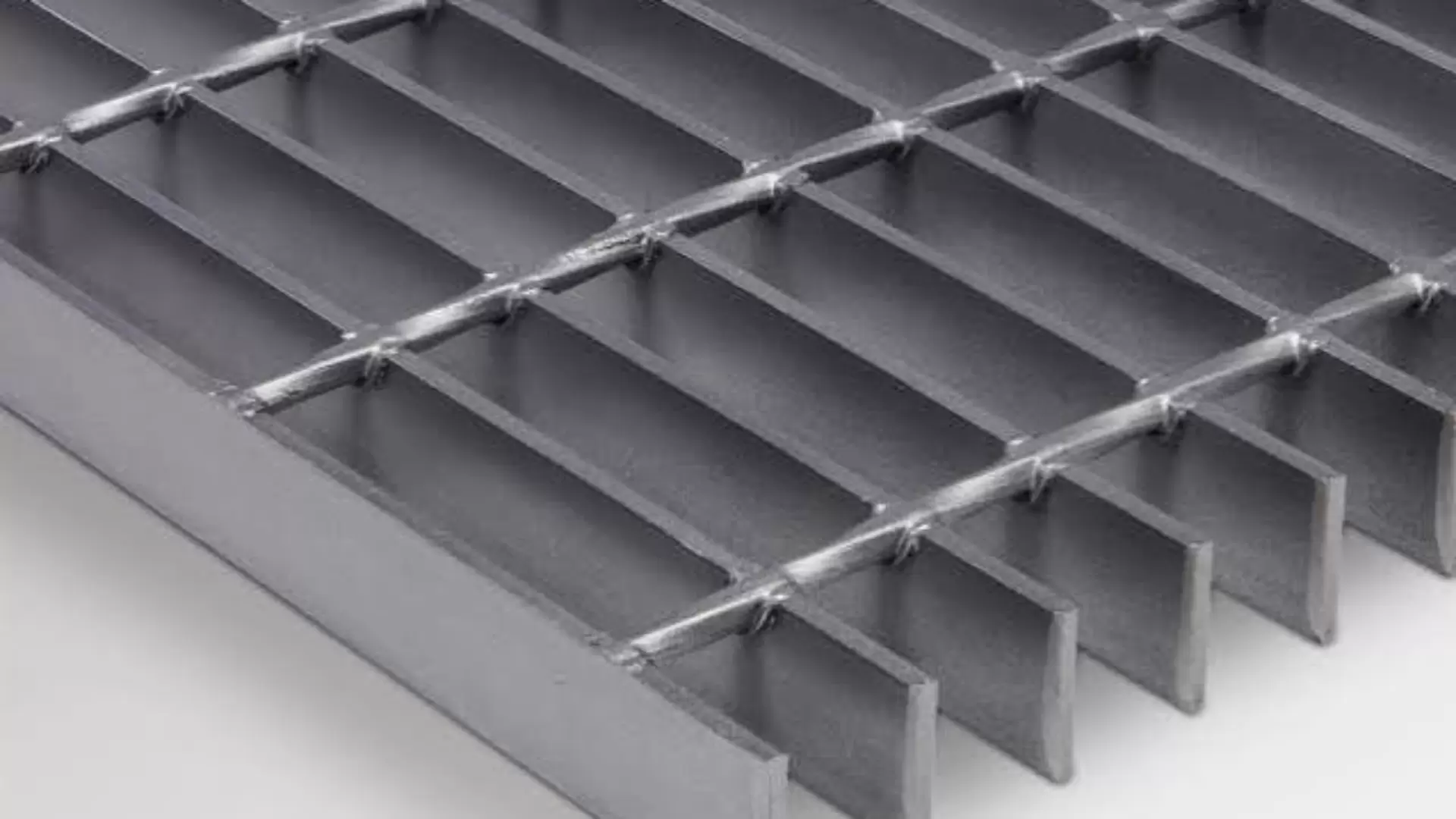
Steel grating is a flooring and platform material made of parallel load-bearing bars interlocked with cross bars, forming an open, lattice-like panel. The open structure allows liquids, dust, heat, and light to pass through while still providing a stable walking and working surface. Because it is fabricated from steel, grating offers a strength-to-weight ratio that solid steel plate simply cannot match, which is why it dominates industrial flooring, platforms, walkways, trench covers, and drainage channels.
Types of Steel Grating
- Electroforged Grating – Bearing bars and cross bars are permanently fused at every intersection through a high-voltage resistance welding and hydraulic pressing process. This creates a completely homogenous, single-piece rigid panel with high-strength properties ideal for heavy industrial loads and high-traffic environments.
- Manual Grating – Fabricated by skilled welders who manually weld the cross bars into pre-slotted or positioned bearing bars. This method offers exceptional flexibility for custom sizes, low-volume orders, or complex architectural shapes where automated machinery cannot easily adapt.
- Plank Grating – Heavy-duty, solid-bar grating designed for long spans and very high point loads, typically used on industrial platforms and walkways carrying machinery.
Why Industries Choose Steel Grating
Steel grating solves several practical problems at once. The open design prevents the build-up of water, oil, or debris, reducing slip hazards in wet processing areas. It allows natural light and ventilation to pass between floor levels, which improves visibility and air circulation in multi-level industrial structures. It is also significantly lighter than solid steel plates of equivalent strength, which reduces structural load on supporting beams and lowers overall construction cost.
These properties make steel grating the default choice for platforms, catwalks, stair treads, trench covers, and flooring across power plants, refineries, water treatment facilities, food processing units, and commercial mezzanines.
Key Specifications to Check Before Buying
- Load rating – Determined by bearing bar depth, spacing, and span length; always confirm the grating is rated for the heaviest expected load, including dynamic loads from vehicles or machinery.
- Open area percentage – Higher open area improves drainage and ventilation but slightly reduces load capacity, so the right balance depends on the application.
- Surface finish – Serrated bearing bars improve slip resistance in wet or oily environments, while plain bars are common for dry indoor use.
- Material and coating – Mild steel with hot-dip galvanising is standard for outdoor and corrosive environments; stainless steel is specified for chemical or food-grade applications.
- Panel size and banding – Edge banding strengthens panel edges and ensures a clean fit within the supporting frame.
Steel Grating vs Solid Plate Flooring
Solid steel plate offers a completely closed surface, which can be useful where full containment of spills is required. However, grating outperforms solid plate in almost every other respect for industrial use: it weighs less per square metre, reduces wind and pressure loading on structures, prevents standing water, and allows easier inspection of equipment below the floor level. For most industrial flooring, platform, and walkway applications, grating delivers a better balance of safety, cost, and long-term performance.
Installation and Maintenance
steel grating panels are typically secured to supporting steel frames using clips or fasteners designed for the specific grating type, which keeps the panels from shifting under load while still allowing removal for maintenance access. Hot-dip galvanised panels require minimal maintenance beyond periodic inspection for surface damage or corrosion at cut edges. In high-traffic or heavy-load areas, periodic load checks help confirm the grating continues to perform within its rated capacity as usage patterns change over time.
Choosing a Reliable Steel Grating Manufacturer
Grating quality depends heavily on fabrication precision. Inconsistent bar spacing, weak weld joints, or uneven galvanising can compromise both safety and lifespan. When evaluating suppliers, look for manufacturers who fabricate in-house, provide load-span charts for their products, and can customize panel dimensions and bar spacing to match specific site drawings rather than forcing a project into standard sizes.
Conclusion
Steel grating is one of the most cost-effective ways to combine strength, drainage, and ventilation in industrial flooring and platform design. The right choice of grating type, finish, and load rating depends on the specific application, which is why working with an experienced fabricator matters. Greatweld Engineering manufactures a complete range of electroforged and manual steel grating panels engineered for industrial platforms, walkways, and trench covers.
Frequently Asked Questions (FAQs)
Electroforged grating uses automated machinery to fuse bars using extreme heat and pressure, resulting in seamless joints and high structural consistency for major industrial demands. Manual grating is assembled and welded by hand, which is ideal for highly customized layouts, irregular shapes, and specialized projects.
Standard grating provides good traction, but serrated bearing bars are recommended for areas exposed to oil, water, or other slippery substances.
Load capacity depends on bearing bar depth, bar spacing, panel span, and material grade, and should always be confirmed against the manufacturer’s load-span tables before installation.
Yes, panels can be cut and banded to fit irregular shapes such as trench covers, stair treads, and equipment cut-outs while maintaining structural integrity at the edges.
Hot-dip galvanising applies a thick zinc coating that protects the steel from rust and chemical corrosion. This makes the grating highly durable and maintenance-free, especially in harsh outdoor or industrial environments.
The replay feature for my favorite table games is a game changer when I want to review my strategy. Platform runs incredibly smooth even during peak hours and I never experienced lag or crashes. Bonus codes work exactly as advertised and customer support is available around the clock. Highly recommend for anyone looking for reliability.casinoreplay