Industrial flooring and walkway systems are the backbone of safety in heavy manufacturing, oil refineries, and power plants. When specifying metal flooring for high-load environments, electroforged grating is widely recognized as the gold standard. Engineered for exceptional structural integrity, this grating variant handles intense physical stress, heavy traffic, and harsh operational conditions far better than traditional manually welded alternatives.
This comprehensive guide breaks down how electroforged grating is made, its core advantages, common industrial uses, and critical factors to evaluate before placing an order.
What Is Electroforged Grating?
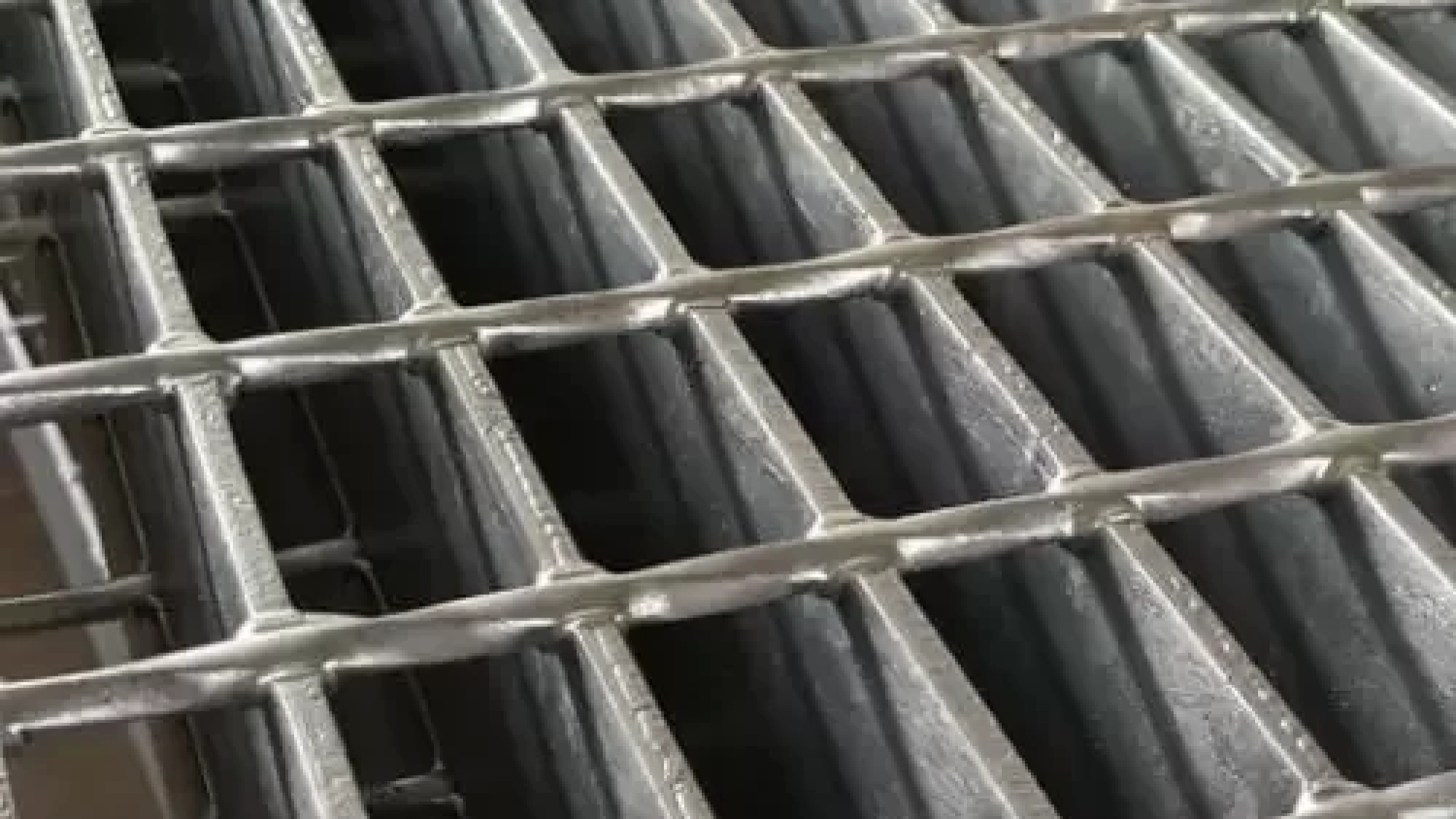
Electroforged grating is a rigid structural grid manufactured through a specialized automated forging process. Bearing bars (load-carrying steel bars) and cross bars (twisted square bars) are simultaneously subjected to high electrical current and intense hydraulic pressure. This fusion process permanently welds the intersections into a single, monolithic unit without leaving gaps or weak joints.
Unlike standard welded mesh, electroforged grating exhibits superior joint strength and load distribution. It meets strict global quality benchmarks, including ANSI/NAAMM MBG 531-00 and BS 4592-1 standards.
Key Features & Performance Benefits
Seamless Structural Integrity
Because the cross bars are embedded into the bearing bars under extreme heat and pressure, electroforged grating eliminates weld voids. This monolithic structure resists twisting, impact shock, and heavy mechanical vibration.
Surface Options: Plain vs Serrated
Depending on working conditions, electroforged grating is available in plain or serrated surfaces. Plain surfaces offer excellent self-cleaning properties for dry areas, while serrated surfaces feature notched bearing bars that deliver high anti-slip friction in wet, oily, or icy environments.
High Strength-to-Weight Ratio
The precision engineering of electroforged grating maximizes load capacity while minimizing dead weight, making installation more efficient and reducing structural framework costs.
Low Maintenance & Longevity
The smooth, void-free joint welds prevent dirt, moisture, and corrosive chemicals from accumulating in crevices, drastically reducing rust risk and long-term maintenance overhead.
Common Industrial Applications
Factory Walkways & Catwalks: Provides safe, rigid elevated flooring for plant operators.
Oil Rigs & Refineries: Serrated electroforged grating prevents slips on offshore drilling decks exposed to oil and seawater.
Power Plants & Mezzanines: Handles heavy equipment weight and high foot traffic with minimal deflection.
Drainage & Trench Covers: Open grid structure permits rapid liquid flow while keeping pathways secure.
Factors to Consider Before Specifying
- Load Requirements: Review load charts to match bearing bar dimensions with your project’s maximum span and load limits.
- Protective Finishes: Combine electroforged grating with hot-dip galvanizing for long-term outdoor rust protection.
- Bar Spacing: Select center-to-center bar pitch based on safety regulations and debris drainage needs.
Conclusion
Choosing high-performance electroforged grating guarantees safety, longevity, and structural stability for demanding industrial applications. For project managers and engineers looking for certified fabrication, Greatweld Engineering produces high-capacity electroforged grating built to international quality standards. You can explore their full structural product range directly at Greatweld Engineering.
Frequently Asked Questions (FAQs)
It is a heavy-duty steel grating produced by fusing bearing bars and cross bars under intense electrical heat and pressure, creating a seamless, ultra-strong grid.
Electroforged grating features fully fused joints without voids, providing higher load-bearing strength and superior corrosion resistance compared to hand-welded alternatives.
Yes, serrated profiles provide extra traction and slip resistance in environments exposed to liquids, oils, or moisture.
Yes, hot-dip galvanizing applied after fabrication creates a rust-resistant zinc coating that extends service life in outdoor and marine settings.
High-quality electroforged grating typically complies with standards like ANSI/NAAMM MBG 531-00, BS 4592-1, and IS 2062.