
Electrical cables are the lifelines of any industrial or commercial building. without a reliable support and routing system, cables become a safety hazard and a maintenance challenge.
Cable management systems are the structured tray and trunking networks that organise, support, and protect cables across every type of installation. Greatweld Engineering manufactures a complete range of cable management systems from its facility in Alandi, Pune.
Our product range covers perforated cable trays, ladder-type cable trays, and raceway trunking to handle every category of cable load and installation environment.|
This guide explains each product type, its specifications, and how to select the right system for your project.
What Is a Cable Management System
A cable management system is a structured network of trays, trunking, and fittings that supports and organises electrical cables throughout a building or facility.
A well-designed system keeps cables separated by type and load, reduces the risk of overheating, and makes future inspection and maintenance straightforward.
Industrial cable management also improves natural airflow around cables, which directly helps with heat dissipation and extends cable service life.
We offers three core categories within its cable management systems range.
All three are manufactured to comply with IEC 61537:2023, the international standard for cable tray and ladder systems.
Our trays are fabricated from recyclable mild steel and aluminium, supporting the low-carbon material requirements of modern construction projects.
Types of Cable Trays in Greatweld Engineering’s Range
1. Perforated Cable Trays and Accessories
Perforated cable trays have a continuous bottom sheet with evenly punched holes across the surface.
The perforations allow partial ventilation while providing full underside support for light-to-medium cable bundles.
This design is ideal for commercial buildings, hospitals, office complexes, and any application with mixed cable loads.
We manufactures perforated trays in widths from 150 mm to 1000 mm and heights from 40 mm to 150 mm.
Sheet thickness ranges from 1.2 mm to 3.0 mm depending on the cable load class and span required.
Material options include mild steel and aluminium, with finishes including hot-dip galvanised, pre-galvanised, and powder-coated.
2. Ladder Type Cable Trays and Accessories
Ladder type cable trays use an open-rung structure with two parallel side rails connected by rungs at regular intervals.
The open design provides maximum ventilation for heavy power cables that generate significant heat during operation.
Ladder trays handle the highest cable loads in the cable management systems range and are the standard for power-intensive installations.
Power plants, data centres, process industries, and heavy industrial plants routinely specify ladder type trays.
Greatweld Engineering supplies ladder type cable trays in widths from 150 mm to 1000 mm and heights from 40 mm to 150 mm.
Both welded and bolted configurations are available to match site access conditions and installation method requirements.
3. Raceways and Trunking Cable Trays
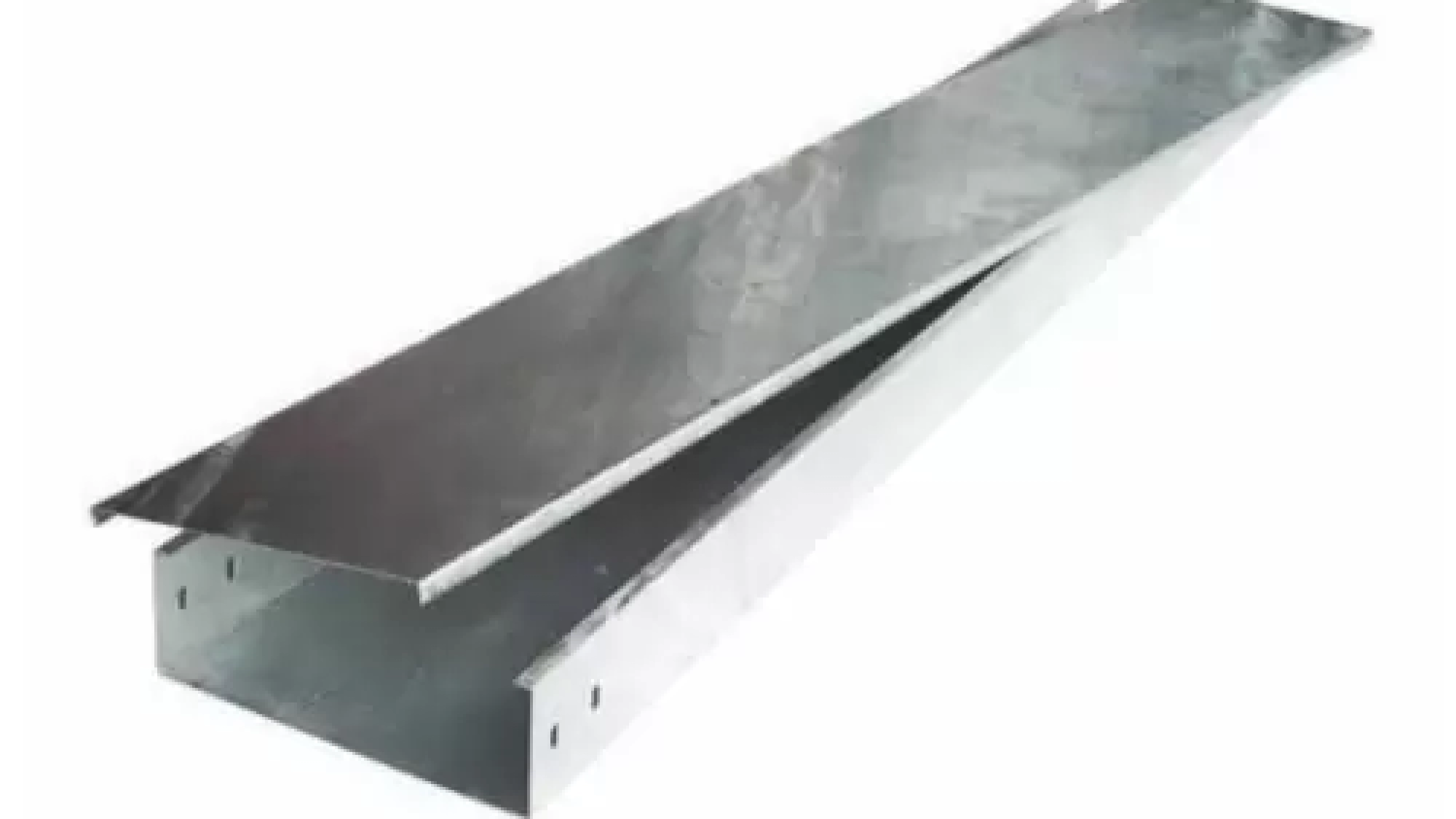
Raceway and trunking systems are fully enclosed cable management trays fitted with a removable cover.
The enclosed design protects cables from dust, moisture, mechanical damage, and any unauthorised access.
Raceway systems are the right choice for IT environments, commercial offices, clean rooms, and concealed industrial wiring runs.
We manufacture raceway trays in widths from 150 mm to 1000 mm and heights from 30 mm to 150 mm.
Sheet thickness for raceways ranges from 3 mm to 6 mm to provide sufficient rigidity for the enclosed structure.
Mild steel with hot-dip galvanised or powder-coated finish is the standard specification for this product range.
Cable Tray Accessories
A complete cable management system requires more than straight tray sections connecting end to end.
Direction changes, junction points, width transitions, and section connections all need matching accessory components.
We supply a full accessories range compatible with all three tray types in our product line.
Horizontal bends manage flat direction changes along a single floor plane without interrupting the cable route.
Vertical bends allow cable runs to change height between floor levels or pass over structural obstructions.
Tees and crosses enable branching at junction points across a facility without breaking the structural continuity of the tray.
Reducers transition between different tray widths where a cable route narrows further into the installation.
Coupler plates join tray section ends and keep the run aligned, rigid, and properly bonded throughout.
All accessories are available in matching material and finish to maintain consistency across the full installation.
Perforated vs Ladder vs Raceway: Choosing the Right Tray Type
Selecting the correct tray type depends on cable type, heat load, and installation environment.
Perforated cable trays are best suited for commercial buildings and hospitals with mixed light and medium cable bundles in semi-open areas.
Ladder type trays are the correct choice for heavy power cables in industrial plants and data centres where open ventilation is the primary requirement.
Raceway trunking is the right option when cables need maximum protection from physical damage, dust, or moisture in concealed or IT-sensitive environments.
Many large facilities require a combination of all three types routed through different zones.
Greatweld Engineering works with project teams to plan a coordinated cable management system using perforated, ladder, and raceway trays together.
Applications
Industrial cable management in manufacturing plants covers production floors, cable galleries, and process area routing using ladder and perforated tray systems.
Commercial buildings route power, data, and low-voltage cables using perforated trays in office floors and raceway systems in clean service areas.
Data centres rely on ladder type trays for high-density power cable management with the open ventilation required for heat dissipation.
Hospitals use covered raceway trunking in clinical areas to keep cable routes clean, organised, and protected.
Railway and metro projects specify heavy-duty ladder type trays in tunnels, depots, and station equipment rooms.
Airport and infrastructure projects require hot-dip galvanised cable management systems India-wide for long-term durability with minimal maintenance.
Conclusion
The right cable management system depends on the cable type, load, environment, and long-term maintenance requirements of the project.
Greatweld Engineering manufactures perforated trays, ladder type trays, and raceway trunking systems for industrial, commercial, and infrastructure projects across India.
Our cable tray manufacturers team reviews project cable schedules and environment details to recommend the right tray type, dimensions, and finish.
Contact Greatweld Engineering with your cable count, load, and site details for a tailored cable management recommendation and project quote.
Frequently Asked Questions (FAQs)
A cable management system is a structured network of trays and trunking that organises, supports, and protects electrical cables inside a building or industrial plant. It reduces fire risk from overheating, simplifies maintenance access, and keeps cable routes compliant with electrical safety standards.
Share your cable schedule, load requirements, installation environment, and site dimensions with our team. Greatweld Engineering will review the details and provide a tray type recommendation along with product specifications and a project quotation.
Greatweld Engineering manufactures cable trays in mild steel and aluminium. Material selection depends on the installation environment, cable load, and corrosion resistance requirements of the project.
Available finishes include hot-dip galvanised for outdoor and industrial environments, pre-galvanised for standard indoor use, and powder-coated for commercial and architectural applications where aesthetics matter.
A complete cable management system requires horizontal and vertical bends for direction changes, tees and crosses for branching, reducers for width transitions, and coupler plates for joining tray sections. All accessories are available in matching materials and finishes from Greatweld Engineering.