Introduction
Picture this: you’ve got a project deadline looming, the site plans in hand, and now it’s time to order the grating. Do you go with a ready-to-ship standard size or opt for custom steel grating solutions tailored precisely to your needs?
This decision affects not just the installation process but also the overall functionality of your space. From pedestrian walkways and rooftop platforms to temporary event flooring and specialized drainage covers, the right choice can streamline your build and improve performance.
Let’s break down each option so you can make a confident, informed choice.
1. Understanding Standard Steel Grating
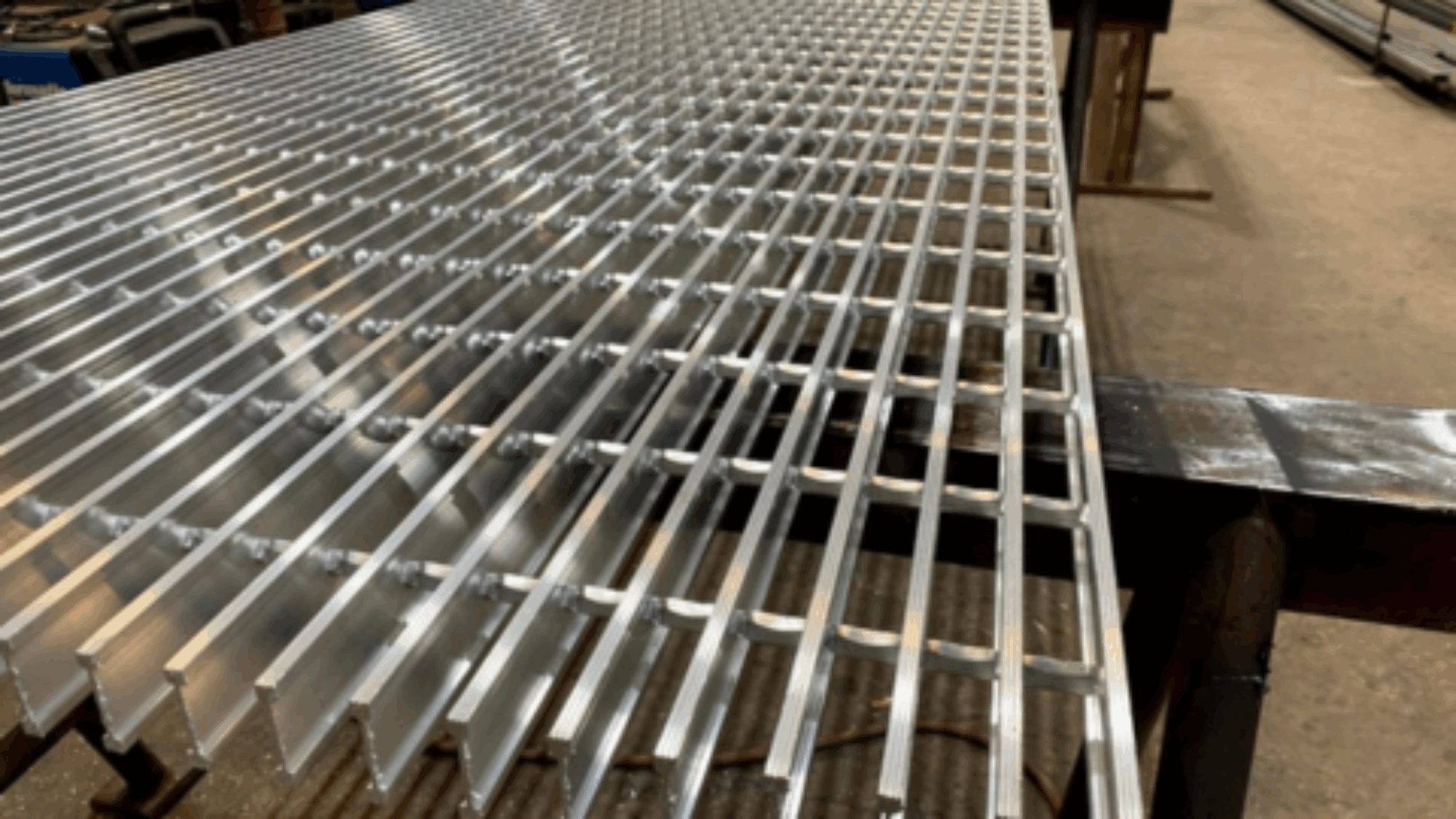
Standard steel gratings are pre-manufactured in standard sizes, mesh patterns, and load capacities. They’re widely available and typically kept in stock, making them a go-to for quick-turn projects.
Where standard grating works best:
- Public walkways in parks or transport hubs.
- Rooftop maintenance routes.
- Access platforms in warehouses.
- Floor drain covers in commercial kitchens.
Key benefits:
- Faster delivery — no need for extended manufacturing lead times.
- Cost-effective for straightforward applications.
- Consistent specifications for easy replacement or expansion.
Tip: If your project has simple requirements and standard layouts, off-the-shelf grating is often the most efficient choice.
2. Exploring Custom Steel Grating Solutions
Custom steel grating solutions are made-to-order, offering flexibility in panel dimensions, mesh size, bearing bar spacing, and surface treatment. They’re ideal when your project calls for non-standard shapes, unique design elements, or higher load capacities.
Where custom grating excels:
- Curved or angled platforms.
- Unique architectural facades with integrated ventilation.
- Drainage systems with irregular layouts.
- Event spaces requiring branded or patterned grating designs.
Advantages:
- Tailored fit for complex site conditions.
- Greater flexibility in mesh and bar configurations.
- Ability to match specific project-grade requirements.
3. Key Factors to Consider Before Deciding
When weighing custom vs standard options, keep these factors in mind:
- Project timeline – Need it fast? Standard grating wins. Working with a flexible schedule? Custom fabrication is possible.
- Site measurements – If your layout is irregular, custom grating prevents on-site cutting and fitting headaches.
- Budget – Standard gratings are typically more cost-effective upfront, but custom solutions can save on installation labor.
- Functionality – Consider load requirements, drainage needs, and safety features.
- Future expansion – Standard grating makes matching new installations easier later on.
4. Applications Beyond Construction
While walkways and platforms are common uses, both standard and custom steel gratings are found in a range of unexpected applications:
- Agriculture – Animal pen flooring for better hygiene and airflow.
- Marine projects – Dock surfaces allowing water run-off.
- Events – Temporary flooring for outdoor concerts and exhibitions.
- Green infrastructure – Urban planters with elevated grating bases to improve drainage.
These examples highlight how grating serves not only structural needs but also creative and logistical purposes.
5. Step-by-Step Guide to Choosing the Right Option
- Assess Your Site – Take precise measurements, noting any irregular angles or curves.
- List Requirements – Include load capacity, mesh size, safety needs, and surface finish.
- Compare Lead Times – Factor in your project’s start date and delivery schedule.
- Evaluate Installation Process – Custom pieces can reduce on-site cutting, while standard sizes may require adjustments.
- Consult an Expert – Share your plans with a supplier or engineer to identify the best match.
6. Combining Both Approaches
In some projects, a hybrid approach works best. For example, standard grating panels might cover the bulk of a walkway, while custom panels fill irregular edges or corners. This strategy balances cost savings with precision fitting.
7. Maintenance Considerations
Both custom and standard steel gratings benefit from a simple care routine:
- Regular cleaning to remove debris from the mesh.
- Periodic checks for loose fasteners or surface wear.
- Recoating when necessary to maintain long-term usability.
A well-maintained grating — whether custom or standard — ensures smooth operation and safety over time.
8. Future Trends in Steel Grating Solutions
The future of steel grating — both custom and standard — is being shaped by advances in fabrication techniques, sustainability goals, and evolving architectural demands.
Smarter fabrication methods are allowing for more precise cutting, welding, and finishing, which means custom steel grating solutions can be produced faster and with greater accuracy than ever before. This is particularly beneficial for projects that involve complex shapes, integrated branding, or unusual mesh patterns.
In addition, eco-conscious projects are driving demand for recycled materials and coatings that minimize environmental impact. Custom gratings can be tailored to meet these sustainability standards, while standard gratings are being adapted with greener finishes.
We’re also seeing new applications emerging beyond traditional construction:
- Sports venues using custom grating for elevated spectator areas.
- Urban landscapes integrating grating into public art installations.
- Transportation hubs installing grating for improved pedestrian flow and drainage control.
Whether you choose a made-to-order solution or a ready-made panel, the versatility of steel grating ensures it will remain an essential element in both functional infrastructure and creative design for years to come.
Final Takeaway
Choosing between custom steel grating solutions and standard prefabricated sizes isn’t just about cost. It’s about matching your project’s specific needs with the right balance of convenience, performance, and adaptability.
If your project is straightforward and time-sensitive, standard grating may be the better fit. But if your site is unique, or your design demands something precise, custom fabrication can make all the difference. In certain situations, combining both options provides the optimal outcome.
FAQs
Q1: Are custom steel grating solutions more expensive than standard ones?
Typically yes, but they can reduce labor costs by eliminating on-site modifications.
Q2: Can I mix custom and standard gratings in one project?
Absolutely — this approach is common in projects with both regular and irregular layouts.
Q3: How do I know if I need a custom mesh size?
If standard sizes don’t align with your drainage, ventilation, or load requirements, a custom mesh size may be the way to go.
Ready to Make the Switch?
Greatweld Engineering is your trusted partner for reliable, high-performance MS steel grating solutions. Whether you’re looking for expert guidance, tailored fabrication, or long-lasting grating systems, our team is here to support your project from concept to completion.
Address: Gat No. 213, 214/1, Markal Udyog Nagar, Plot No. C&D, Post Markal, Tal.: Khed, Dist.: Pune – 412105, Maharashtra, India
Phone: +91 8956049361
Website: https://greatweld.com/
Let’s make your next installation smoother, safer, and more efficient — one MS steel grating project at a time.