
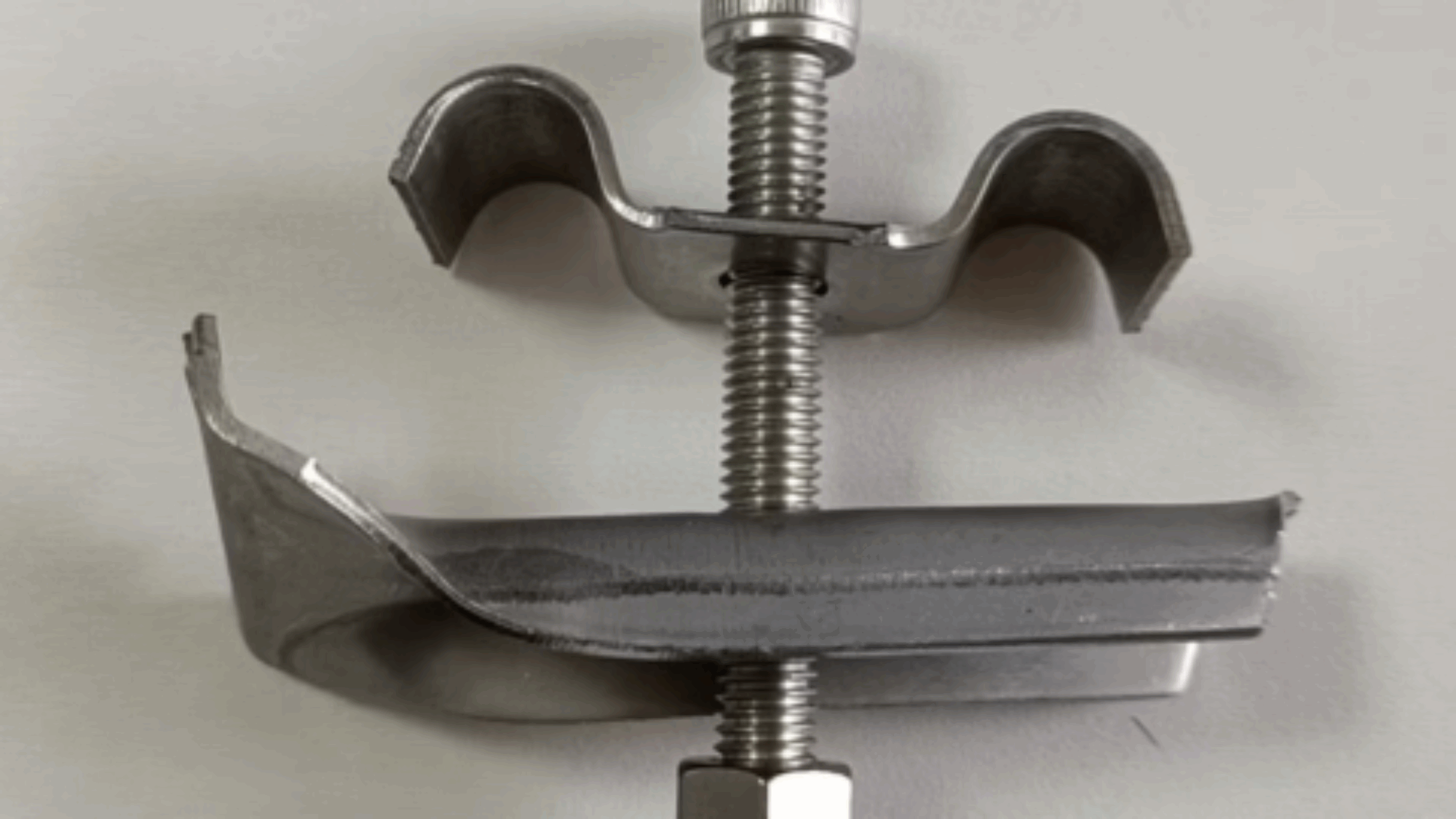
When it comes to safety in platforms, walkways, and access systems, MS Grating Clamps play a surprisingly critical role. But here’s the thing—most people only think about them when something goes wrong. That’s like ignoring the bolts holding up a bridge. Scary, right? Proper MS Grating Clamp maintenance is essential not just in industrial settings, but across a broad range of applications—from energy facilities to transit platforms, and even commercial buildings. Let’s walk through how to inspect grating fasteners, perform an MS Grating Clamp safety check, and keep your systems functioning reliably.
Why MS Grating Clamp Maintenance Should Be a Priority
Neglected MS Grating Clamps can lead to costly repairs, downtime, or worse—accidents. Whether you’re managing a utility site or a pedestrian bridge, MS Grating Clamp upkeep isn’t optional; it’s vital.
Here’s why regular maintenance matters:
- Prevents fastener loosening over time, especially with foot traffic and machinery movement
- Reduces the risk of displacement, minimizing slips or trip hazards
- Prolongs the integrity of the entire structure, avoiding early replacement of grating panels
- Supports compliance with safety regulations and workplace standards
So, no, it’s not just about “checking bolts”—it’s about safeguarding every person who walks across that surface.
Broader Use Cases for MS Grating Clamps
Most folks associate MS Grating Clamps with industrial floors or offshore platforms—but they’re way more versatile than that. These small but strong components are used in:
- Urban infrastructure, like storm drain covers and metro stations
- Retail and commercial walkways, especially in multi-level stores or atriums
- Public transit systems, including rail platforms and boarding areas
- Water treatment facilities, where grating panels allow drainage without blocking walkways
- Renewable energy fields, like solar farm maintenance paths and wind turbine platforms
No matter where they’re used, one rule applies: maintain them well, or you’ll pay later.
How to Inspect MS Grating Fasteners the Right Way
Okay, now to the nuts and bolts (literally). Inspection isn’t just about a quick glance—there’s a method to it.
Step-by-Step: MS Grating Clamp Safety Check
- Visually Scan for Obvious Wear
- Look for misalignment, missing fasteners, or areas where clamps seem loose or out of place.
- Check for signs of bending, distortion, or corrosion on MS Grating Clamp surfaces.
- Feel for Movement
- Walk gently across the grating while observing MS Grating Clamp reactions. Any bounce or shifting is a red flag.
- Tug panels slightly to detect looseness.
- Inspect Connection Points
- Check the contact between the MS Grating Clamp, the grating, and the support structure.
- Check for Fastener Tightness
- Use the proper tools for bolt/screw tightness. Don’t overtighten—it can deform the clamp.
- Record Findings
- Keep a digital log or checklist of the inspection outcomes.
Pro Tip: Don’t overlook clamps in hard-to-reach places—especially under equipment or piping.
Tips for Routine MS Grating Clamp Upkeep
Best Practices for Maintenance
- Set a maintenance schedule: Monthly checks and quarterly inspections
- Clean the area: Dust and debris can accelerate wear
- Use correct hardware grades: Especially for MS Grating Clamps in moisture-prone areas
- Lubricate where needed: Helps fight corrosion and maintain functionality
- Replace worn clamps promptly
Red Flags That Require Immediate Action
- Rusted or missing MS Grating Clamps
- Rattling or shifting grating
- Uneven elevation or rocking
- Discoloration or pitting on fasteners
- Cracks in clamp bodies
A Word on Material Grades
MS Grating Clamps are ideal for many environments, but selecting the right finish or treatment is key:
- Galvanized MS Grating Clamps for moisture protection
- Painted or coated MS Grating Clamps for chemical resistance
- Unfinished for dry, indoor use where corrosion isn’t a concern
FAQs About MS Grating Clamp Maintenance
Q: How often should MS Grating Clamps be inspected?
A: Monthly visual checks and quarterly in-depth inspections.
Q: Can damaged MS Grating Clamps be repaired?
A: Cosmetic damage might be treatable, but structural issues demand replacement.
Q: Are all MS Grating Clamps universal?
A: No. Clamp designs vary by application—always match your clamp type to your project.
Q: What tools do I need?
A: A flashlight, wrench, torque tools, and a detailed checklist.
Wrapping Things Up
MS Grating Clamps might not get much attention, but they carry a huge responsibility. Proper inspection and upkeep ensure safety and stability across diverse environments—from power plants to retail complexes.
Don’t leave safety to chance—partner with the experts. At Greatweld Engineering, we offer high-quality MS Grating Clamps and tailored maintenance solutions to keep your infrastructure secure and compliant.
📍Address:
Gat No. 213, 214/1, Markal Udyog Nagar, Plot No. C&D, Post Markal, Tal.: Khed, Dist.: Pune – 412105, Maharashtra, India
📞Phone: +91 8956049361
🌐Website:https://greatweld.com/
Don’t wait for a failure to cause a catastrophe. Stay proactive—inspect, maintain, and upgrade your MS Grating Clamp strategy today.