
Introduction
When it comes to bridge engineering, few components are as essential as the beams that support the structure. Among these, wide flange beams for bridges stand out for their exceptional role in load distribution, stability, and overall performance. These beams are widely used in bridge design and serve as a fundamental part of ensuring that a bridge can handle the immense pressure of heavy traffic, environmental factors, and the forces of nature over time.
But what makes wide flange beams so crucial in bridge construction? How do they contribute to the integrity of a bridge? In this blog, we’ll dive into the structural role of wide flange beams, their function in supporting infrastructure, and why they are a top choice for engineers when designing reliable and safe bridges.
What Are Wide Flange Beams?
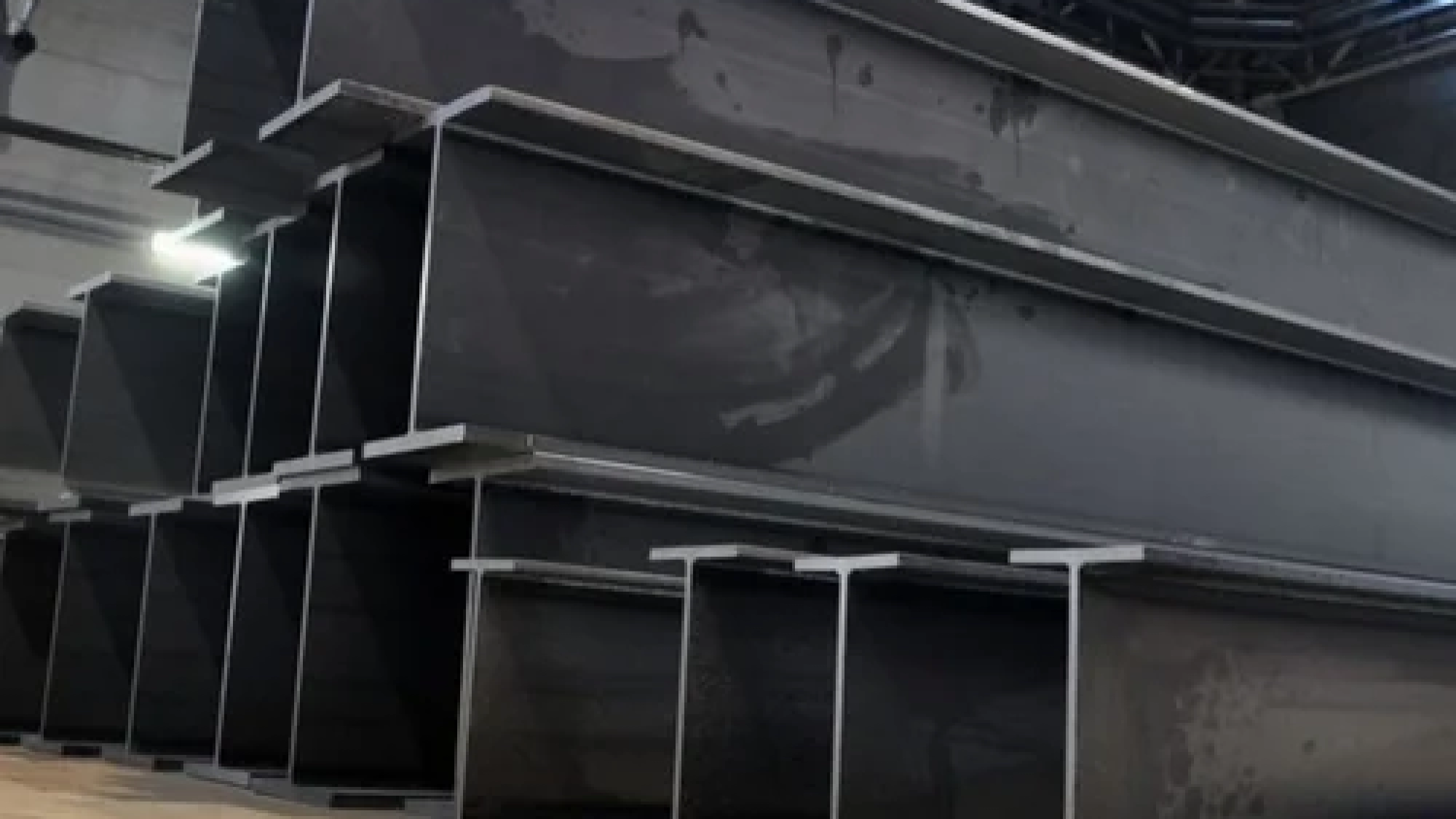
Before exploring their role in bridge design, it’s essential to understand what wide flange beams are. These are heavy-duty beams made from MS handrails or other strong materials, characterized by a wide flange (the “wings” or sides of the beam). These flanges extend out on either side of the vertical web of the beam, which gives them a robust shape and distributes weight more effectively.
The wide flange beam’s design is perfect for carrying significant loads across long spans, making it ideal for bridges, where heavy, dynamic traffic loads and natural forces must be supported over vast distances.
The Role of Wide Flange Beams in Bridge Engineering
In the context of bridge engineering, wide flange beams are fundamental in the creation of support structures that ensure a bridge can carry the traffic and environmental loads it faces daily. Let’s break down their key roles:
1. Load Distribution
One of the most important functions of wide flange beams in bridge construction is load distribution. When vehicles, pedestrians, or even trains cross a bridge, the force they exert on the structure must be effectively managed. Wide flange beams absorb and distribute these forces across the bridge’s structure.
- Effective Load Spreading: The wide flanges help spread the load across a larger area, reducing the risk of concentrated stress points, which could lead to structural failure.
- Support for Overhead Loads: When a bridge spans long distances, wide flange beams provide the necessary support to distribute the weight evenly across the entire span.
2. Support for Long Spans
Wide flange beams are designed to cover long distances, which makes them ideal for bridge designs that require spans without frequent support columns. In bridges with long spans, wide flange beams ensure that the deck is stable and free from sagging or undue stress.
- Bridge Types: These beams are commonly used in suspension and girder bridges, where long distances between supports are needed.
- Minimal Support Intervals: The structural properties of wide flange beams allow for fewer support columns, enhancing both the efficiency and aesthetics of the bridge design.
3. Structural Integrity and Stability
Wide flange beams are engineered to provide a stable foundation for the rest of the bridge structure. With their wide flanges and thick web, they create a robust framework that can withstand both vertical and horizontal forces. This is particularly important in areas where bridges face significant environmental challenges, such as high winds, earthquakes, or heavy traffic.
- Resisting Lateral Forces: The design of wide flange beams helps prevent the bridge from swaying or tilting under lateral forces, such as wind or seismic activity.
- Impact of Dynamic Loads: Wide flange beams are especially beneficial in heavy-duty bridge designs, as they absorb the impact of dynamic loads from traffic, trains, and other moving objects.
Benefits of Using Wide Flange Beams in Bridge Design
Now that we’ve discussed the key roles of wide flange beams, let’s delve into the specific advantages that make them such a popular choice for bridge engineers:
1. Efficient Design and Construction
Wide flange beams are simple to fabricate and install, making them a time-efficient option for large-scale infrastructure projects like bridges. Their standardized design means that they are readily available and easy to transport, which further streamlines the construction process.
- Quick Installation: Because wide flange beams are pre-manufactured to specific dimensions, installation on-site is often faster than custom or bespoke alternatives.
- Cost-Effective: Standardization also reduces costs associated with fabrication and transportation, making wide flange beams a cost-effective choice for bridge construction.
2. Customization for Specific Needs
While wide flange beams are available in a range of sizes and grades, their versatility means that they can be tailored to meet the specific demands of any bridge project. Whether you’re working with heavy-duty steel beams for a major highway bridge or a more delicate design for a pedestrian crossing, wide flange beams can be adapted for various uses.
- Various Steel Grades: The use of different steel grades ensures that wide flange beams can be customized to suit different weight-bearing requirements and environmental conditions.
- Multiple Applications: Beyond bridges, wide flange beams are used in everything from industrial buildings to support structures for complex infrastructure projects.
3. Improved Long-Term Performance
With proper maintenance, wide flange beams can provide reliable, long-lasting performance. Their structural properties ensure that they continue to bear loads efficiently without significant wear over time. This makes them a preferred option for bridges that are intended to last for decades.
- Maintenance Considerations: Although maintenance is necessary for any structure, wide flange beams generally require less frequent upkeep than other materials.
- Consistency of Performance: The consistent performance of wide flange beams ensures that the bridge’s integrity remains intact for many years, even with the constant wear from traffic and weather.
Where Are Wide Flange Beams Used in Bridge Design?
Wide flange beams are not just limited to one type of bridge or structure. Their versatility makes them suitable for a range of bridge designs, including:
- Girder Bridges: Used for both short and long spans, these beams support the bridge deck and distribute loads across the structure.
- Arch Bridges: In arch bridge designs, wide flange beams are often used in the support structure beneath the arch to carry weight and ensure the arch maintains its shape.
- Cantilever Bridges: For cantilever designs, wide flange beams are utilized to provide lateral support and ensure stability when the bridge extends outward without direct support at both ends.
Conclusion: The Vital Role of Wide Flange Beams in Bridge Construction
To summarize, wide flange beams are an essential component in bridge engineering, offering multiple benefits that enhance the structural integrity, functionality, and performance of the bridge. Whether supporting heavy-duty loads, spanning long distances, or ensuring the stability of the bridge, these beams are indispensable for creating a reliable infrastructure that can withstand the test of time.
By distributing loads effectively, supporting long spans, and providing a cost-efficient solution for construction, wide flange beams play a pivotal role in modern bridge design. As infrastructure needs continue to grow, the importance of choosing the right components, like wide flange beams for bridges, remains critical to ensuring the safety, efficiency, and longevity of our most vital structures.
Ready to Learn More?
If you’re involved in a bridge construction project or simply interested in understanding more about the materials used in infrastructure, check out our other articles on bridge design and engineering. Whether you’re an engineer or just a curious reader, there’s always more to discover about the world of construction and the materials that make it all possible.
📞 Let’s Build Something Strong Together!
Looking to learn more or planning a visit? We’d absolutely love to connect with you in person!
👉 Drop by our location:
Gate No. 213, 214/1, Markal Udyog Nagar, Plot No. C&D, Post Markal, Tal.: Khed, Dist.: Pune – 412105