Introduction
Picture a bustling factory floor, a chemical plant, or a busy shipping port. Workers navigate elevated platforms, staircases, and maintenance walkways on a daily basis. Beneath their feet, steel gratings form the surface — and the only thing keeping those gratings from shifting or lifting are the grating clamps securing them in place.
Grating clamps may be small, but their role in industrial safety is enormous. Without them, even the best-installed gratings could loosen over time due to vibration, heavy traffic, or environmental factors.
1. Understanding What Is a Grating Clamp
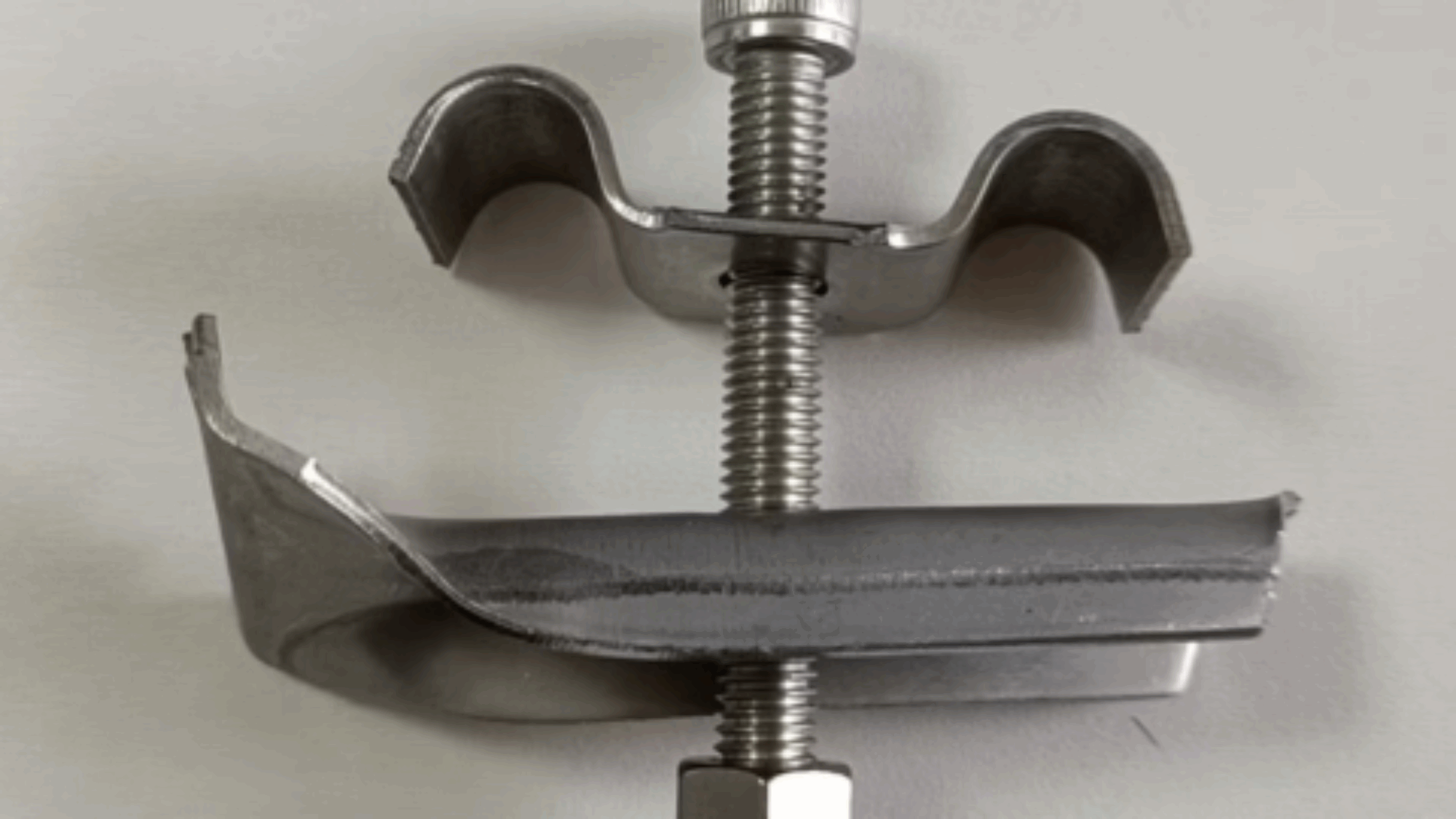
A grating clamp is a fastening device specifically designed to hold steel gratings firmly to their supporting structure without the need for drilling or welding. This makes them an ideal choice for installations where maintenance access is required, or where permanent fixing methods could damage the framework.
Key functions include:
- Keeping grating panels securely in place.
- Allowing for easy removal and replacement when needed.
- Distributing load evenly to prevent warping or misalignment.
2. Types of Grating Clamps
- Saddle Clamps – Designed to fit over the grating bars and hook underneath the supporting structure, ensuring a secure hold.
- J-Clamps – Designed for situations where the clamp needs to grip from below.
- G-Clamps – Adjustable clamps suitable for heavy-duty applications.
Each type serves a slightly different purpose, so selecting the right one depends on your project’s layout, load conditions, and access requirements.
3. Why Grating Clamps Are Essential in Industrial Installations
- Safety Assurance – Prevents grating movement that could cause trips, falls, or equipment damage.
- Time-Saving Maintenance – Panels can be removed and reinstalled without cutting, welding, or damaging surrounding structures.
- Cost-Effective Upgrades – Easy to swap panels during renovations or layout changes.
- Adaptability – Suitable for a wide range of environments, from offshore platforms to factory mezzanines.
4. Applications Across Industries
Grating clamps are found in many sectors:
- Oil & Gas – Offshore rigs and refinery platforms.
- Manufacturing – Assembly line walkways and maintenance catwalks.
- Water Treatment – Securing gratings over drainage channels and tanks.
- Power Plants – Elevated access routes for engineers.
- Event Infrastructure – Temporary flooring and stage platforms.
Their versatility makes them an unsung hero in both permanent and temporary setups.
5. Installation Tips for Secure Grating Clamps
- Measure First – Ensure clamp size matches the grating bar depth and width.
- Use the Right Tools – Torque wrenches help achieve consistent fastening.
- Follow Manufacturer Guidelines – Over-tightening can damage both clamp and grating.
- Regular Checks – Inspect clamps during routine maintenance to prevent loosening over time.
6. Choosing the Right Clamp for Your Project
When deciding, consider:
- Type of Grade – Match clamp material and coating to your environmental conditions.
- Load Requirements – Heavier loads may require reinforced clamp designs.
- Frequency of Panel Removal – If panels will be lifted often, opt for quick-release designs.
Consulting with an experienced supplier can help ensure you get the right balance of performance and convenience.
7. Innovations in Grating Clamp Design
Industrial environments are evolving, and so are the tools used to secure vital components like gratings. Modern grating clamps are benefiting from precision manufacturing, better coatings, and ergonomic designs that make installation faster and more reliable.
Recent advancements include:
- Corrosion – resistant coatings are ideal for environments with high moisture or chemical exposure.
- Quick-release mechanisms for facilities that require frequent panel removal without compromising safety.
- Universal fit designs that accommodate multiple grating profiles, reducing the need for different clamp types on the same site.
These innovations not only enhance usability but also help reduce downtime during inspections or maintenance cycles.
8 . Common Errors to Avoid When Installing Grating Clamps
Even high-quality clamps can fail to perform if they’re installed incorrectly. Avoiding these mistakes will help maintain safety and efficiency:
- Incorrect Clamp Selection – Using a clamp that doesn’t match the grating profile or load capacity.
- Uneven Tightening – Can lead to grating lift or rattle over time.
- Skipping Regular Inspections – Clamps can loosen from vibrations; routine checks are essential.
- Using Non-Approved Replacements – Substituting the original clamp with an unsuitable alternative can compromise stability.
By training installation teams and following the manufacturer’s guidelines, many of these issues can be avoided entirely.
9. Broader Applications Beyond Industry
While they’re a staple in industrial settings, grating clamps have uses in other sectors too:
- Event Management – Installing modular flooring systems for concerts, exhibitions, and outdoor events.
- Sports Facilities – Holding down elevated viewing platforms or player walkways.
- Public Infrastructure – Fastening pedestrian bridge gratings in city projects.
- Agriculture – Installing grated platforms in feedlots or storage facilities for improved durability and ventilation.
These examples show that grating clamps are not just an industrial necessity — they’re a versatile fastening solution adaptable to a wide range of environments.
10. The Future of Grating Clamps
As projects demand more flexible, sustainable, and easy-to-maintain solutions, the next generation of grating clamps will likely focus on:
- Durable yet lightweight materials to minimize shipping and installation efforts.
- Modular clamp systems for multi-use adaptability.
- Sustainable manufacturing using recycled materials and eco-friendly coatings.
With these developments, grating clamps will remain a critical part of safe, efficient, and adaptable infrastructure across industries.
Final Takeaway
Grating clamps might seem like a minor detail in large-scale industrial projects, but their role in safety, maintenance efficiency, and structural stability cannot be overstated. From manufacturing plants to offshore rigs, they’re the quiet guardians keeping every step secure.
FAQs
Q1: Do grating clamps require special tools for installation?
Most standard clamps can be installed with basic hand tools, though torque wrenches are recommended for accuracy.
Q2: Can I reuse grating clamps after removal?
Yes, provided they remain in good condition and meet the project’s requirements.
Q3: Are there grating clamps suitable for high-corrosion environments?
Yes, coatings and material grades can be chosen to match environmental exposure.
Ready to Make the Switch?
Greatweld Engineering is your trusted partner for reliable, high-performance MS steel grating solutions. Whether you’re looking for expert guidance, tailored fabrication, or dependable grating clamps, our team is here to support your project from start to finish.
Address: Gat No. 213, 214/1, Markal Udyog Nagar, Plot No. C&D, Post Markal, Tal.: Khed, Dist.: Pune – 412105, Maharashtra, India
Phone: +91 8956049361
Website: https://greatweld.com/
Let’s simplify your next grating installation — one secure clamp at a time.