
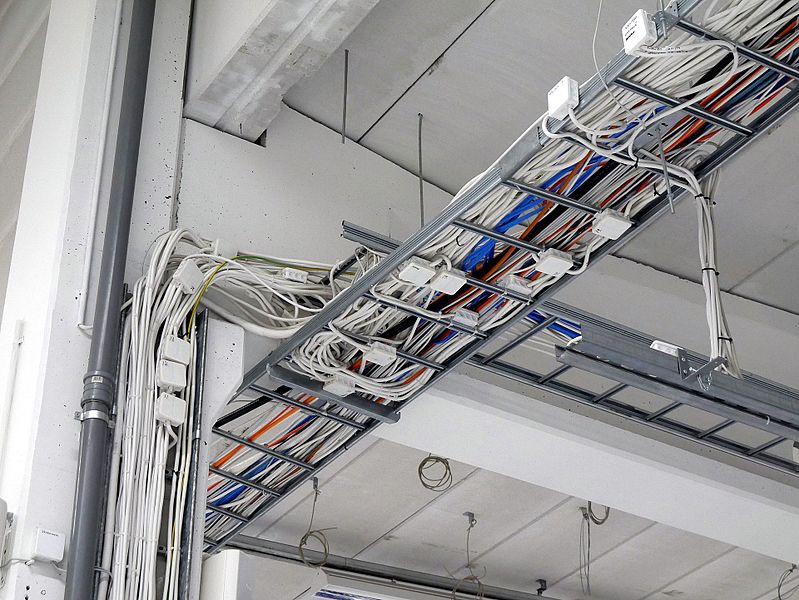

Perforated Cable Tray – Lightweight & Versatile Cable Management

What Is a Perforated Cable Tray?

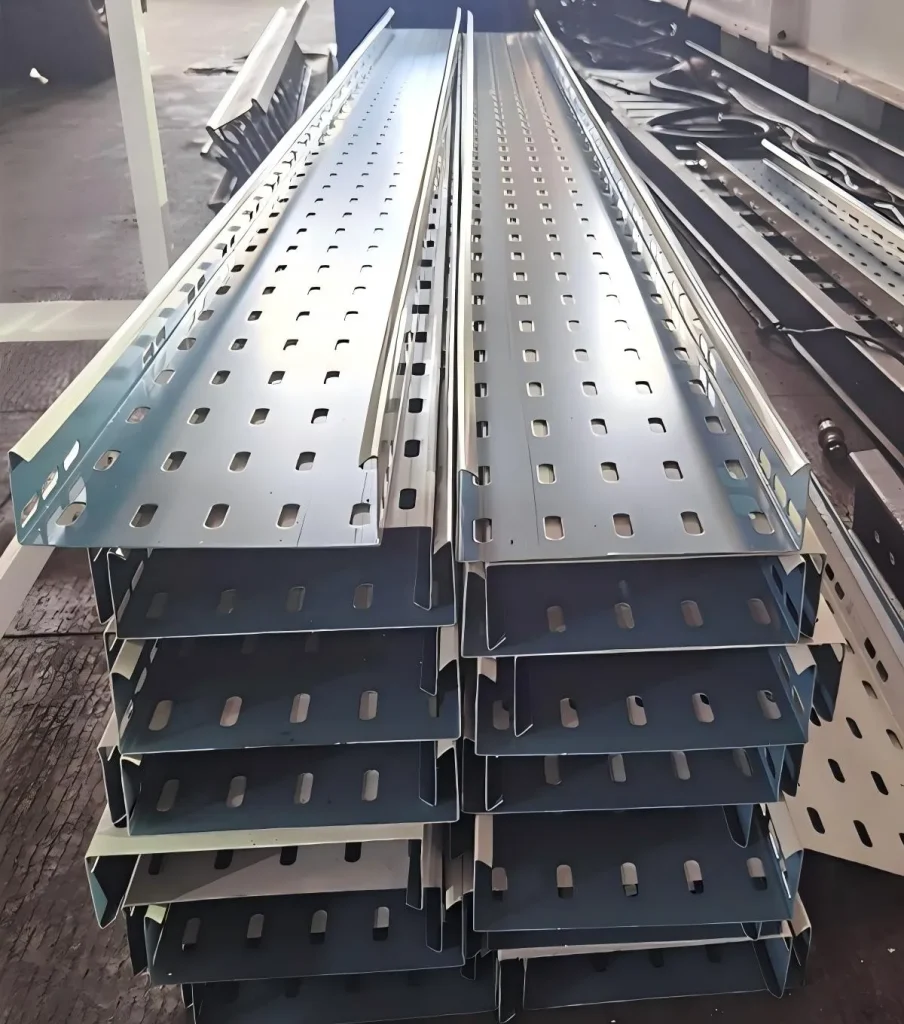
Describe the U-shaped channel formed from a single metal sheet with punched holes along the base.

Explain how solid sides support small cables while perforations provide ventilation and reduce weight.

Position as the go-to choice where mixed cable sizes must be managed cleanly.

Greatweld Perforated Cable Tray – Technical Specifications

  • Tray Width (W): 50 mm to 1250 mm

  • Tray Height / Depth (H): 20 mm to 150 mm

  • Tray Collar (C): 15 mm to 25 mm

  • Standard Length (L): 2500 mm to 3000 mm

  • Sheet Thickness (T): 1.6 mm to 3.0 mm

  • Materials: MS, Aluminum (Al), SS 304/316

  • Finishes: Hot-Dip Galvanized, Pre-Galvanized, Powder Coated, Epoxy Painted

Key Benefits of Greatweld Perforated Cable Trays

Wide Cable Compatibility

Solid base supports small-diameter signal, data, and instrument cables without sagging. Perforations allow medium-duty power cables alongside control/communications wiring.

Partial Ventilation Without Full Exposure

Perforations allow air circulation to reduce heat; cables are still enclosed and protected from debris.

Ease of Installation & Modification

Lightweight; can be cut, drilled, modified on-site with standard tools; no tray disassembly needed.

Clean, Professional Appearance

Continuous base presents a neat look for commercial/public spaces; powder-coated in custom colors available.

Corrosion Resistance Options

Available in HDG, pre-galvanized, SS, or powder-coated finishes to suit any environment.
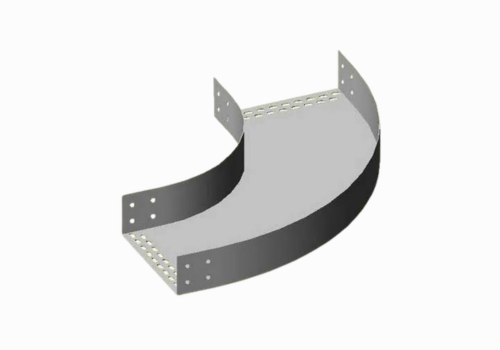
Perforated Cable Tray Accessories

90° & 45° Perforated Horizontal Bends
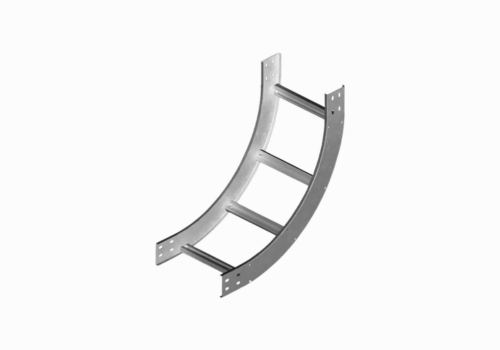
90° Perforated Vertical Outside & Inside Bends
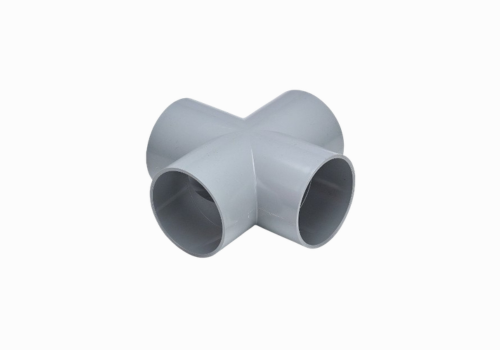
Perforated Cross (four-way junction)
Perforated Horizontal Four-Way Tee

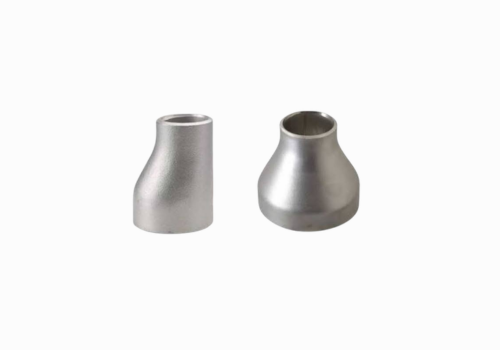
Reducers, couplers, and end caps

Commercial office buildings & retail spaces

Airports, hotels, large public venues

Data centres — structured cabling & power distribution

Typical Applications

Hospitals, laboratories, pharmaceutical plants

Light industrial facilities & warehouses

Gyms, department stores, educational institutions
Perforated vs. Ladder vs. Solid Bottom Cable Tray

Feature Perforated Tray Ladder Tray Solid Bottom Tray
Ventilation Partial Full open None
Small cable support Excellent Poor Excellent
Heavy cable loads Medium High Medium
Dust protection Partial Minimal Full (with cover)
Appearance Clean & neat Industrial Very clean
Best for Mixed cables Power cables Signal cables

Frequently Asked Questions (FAQs)

Tray width depends on the number and diameter of cables plus 30% spare capacity allowance. Tray depth is chosen based on cable bundle weight. Greatweld’s team can assist with sizing calculations.

Yes, when specified in HDG or stainless steel. Powder-coated trays suit sheltered outdoor locations; HDG or SS is required for direct weather exposure.

A perforated tray is open-topped and accessible without tools. A cable duct or raceway is fully enclosed and requires lid removal. Perforated trays are preferred where frequent cable additions are expected.

Metal perforated trays must be bonded to the electrical earthing system using earthing clamps and continuity conductors at each splice joint, per IEC 61537 and IS 8828.


Yes. Perforated cable tray covers are available in matching material and finish for dust and UV protection where required.