A dependable electro forged gratings supplier can show you load tables, material certificates, galvanizing records and the exact scope of any client approval. Buyers who ask for these items early avoid delays, rework and rejected material at site. This guide explains what to check before you place an order for gratings in India.
What Are Electro Forged Gratings and How Are They Made?
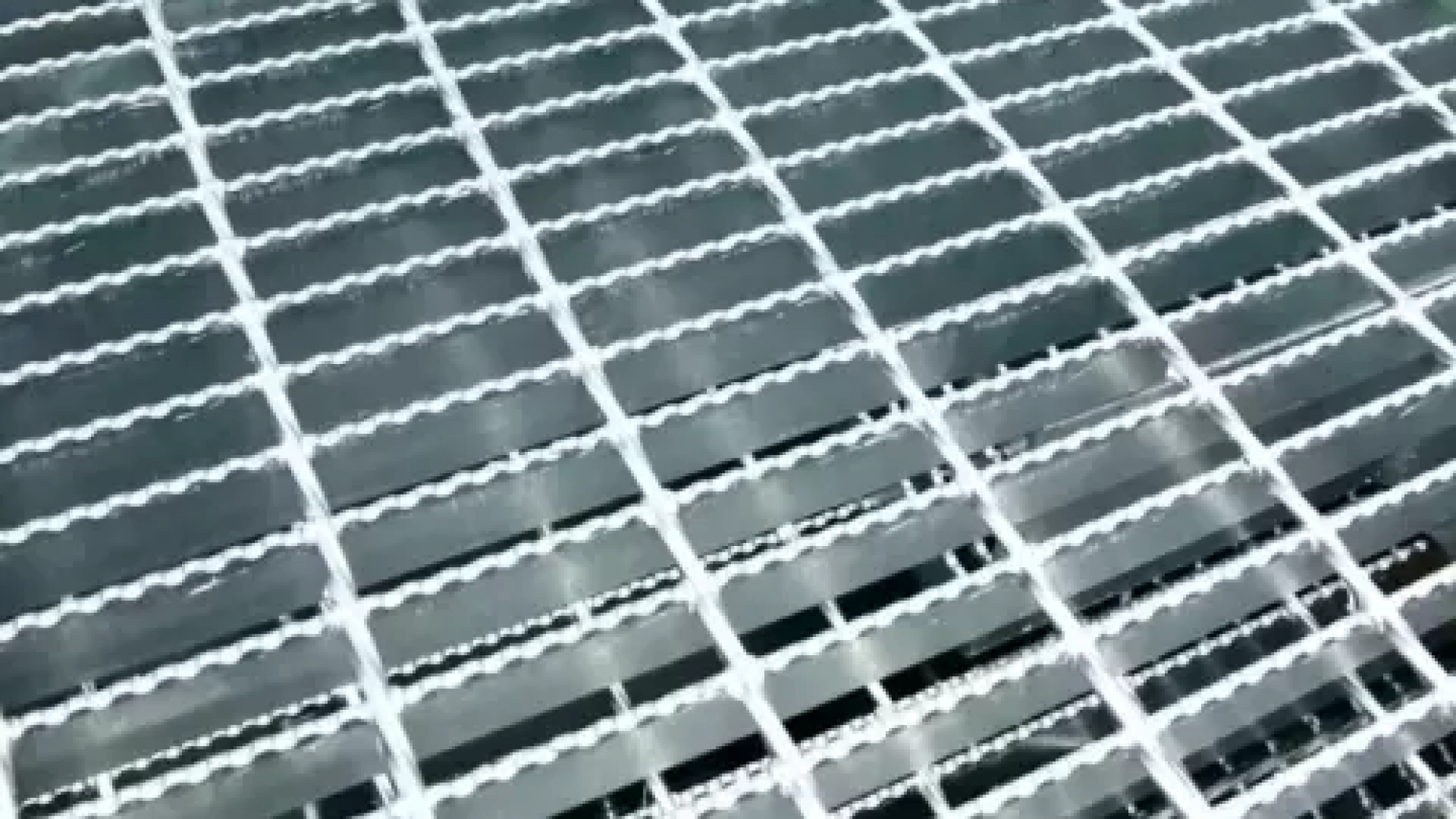
Electro forged grating is an open steel panel made from parallel bearing bars and perpendicular cross bars. The bars are joined at every crossing by electric resistance forge welding. Heat and pressure fuse the steel at each joint, and no separate filler material is needed. The finished panel is rigid, lets air, light and liquids pass through, and carries load across its span.
How Are Bearing Bars and Cross Bars Joined?
Bearing bars run in the direction of the span and carry the main load. Cross bars run across them and tie the bars together. In the electro forging process, a cross bar is pressed against each bearing bar while a high electric current passes through the crossing. The contact point heats, softens and fuses under pressure, which creates a welded joint at every intersection. Weld quality and bar alignment are therefore important checks for any supplier.
Key Characteristics and Benefits
- An open surface that drains liquids and lets air and light pass.
- Welded joints at every crossing, which help the panel act as a rigid unit.
- A good strength to weight ratio compared with solid plate, depending on the design.
- Plain or serrated bars for better slip resistance.
- Panels that can be cut, banded and drilled to suit a layout.
Product details are available on the Greatweld electro forged grating page.
Where Are Electro Forged Gratings Used?
Electro forged gratings are common where walkways, platforms and covers must carry regular loads. Typical industries include oil and gas, petrochemicals, power plants, refineries and general industrial facilities. On these sites the grating appears as platform flooring, access walkways, trench covers, stair treads and equipment floors. The right panel for each location depends on loading, environment and the project specification.
How to Choose an Electro Forged Gratings Supplier in India
Price alone is a weak basis for choosing. Use the factors below to judge whether a supplier can meet your specification.
Load capacity, span and bar dimensions
Start with the design load and the clear span. Then ask for the load table that matches the bearing bar size and spacing you need. A proper table shows permitted load and deflection for each span. Check the bearing bar depth and thickness, the bearing bar pitch and the cross bar spacing. Do not accept a quote that lists only panel length and width. Load capacity comes from the full set of design parameters and the manufacturer’s tables, not from the manufacturing method alone.
Material, finish and galvanizing
Confirm the steel grade in writing and ask for mill test certificates that match it. For finish, compare plain, painted and hot dip galvanized options against the site environment. Galvanizing helps protect against corrosion in outdoor, humid and process areas. Ask which galvanizing standard the supplier follows and whether coating thickness is measured and recorded. Cut or drilled panels may need touch up treatment, so ask how this is handled.
Quality checks and inspection documentation
Industrial projects need more than a product. Ask what documents come with each lot. These may include material test certificates, dimensional inspection reports, galvanizing reports and a compliance statement against the project specification. Find out whether your client or a third party inspector can witness inspection before dispatch.
What Does EIL Approval Mean for Buyers?
EIL stands for Engineers India Limited. Many refinery, petrochemical and oil and gas projects work from an approved vendor list. Approval is usually tied to a specific product category, a specific manufacturing location and a stated scope. It may also depend on the client and the project.
Do not assume that every supplier, or every product from an approved supplier, is covered. Ask for the approval letter, the product scope it names and its validity. Then confirm with your project team or client that it meets your requirements. This article does not state any approval status for Greatweld, so please confirm that directly with the team for your project.
Supplier Evaluation Checklist
Use this table when you shortlist suppliers. It keeps quotations comparable.
| Area | What to ask | What to look for |
| Load table | Can you share load and deflection tables for my bar size and span? | Table matched to the exact bar size, pitch and span |
| Specification | Which steel grade and standard do you work to? | Grade stated in writing with test certificates |
| Galvanizing | Which standard do you follow and do you record coating thickness? | Named standard and records for each lot |
| Inspection | Can the client or a third party inspect before dispatch? | Clear inspection and hold points |
| Approval | Which approvals apply to this product and plant? | Letter showing scope and validity |
| Fabrication | Can you supply cut outs, banding and serrated bars? | Drawing based fabrication |
| Delivery | What is the delivery plan for my quantity? | Written schedule |
Questions to Ask Before Requesting a Quotation
A short enquiry sheet helps a supplier quote accurately. It also helps you compare offers fairly. Include these points.
- Design load type and value, and any wheel or point loads
- Clear span and support details
- Panel sizes, quantities and any cut outs
- Bar size and pitch, if already specified
- Plain or serrated surface
- Finish, galvanizing standard and documents required
- Delivery location and schedule
Common Purchasing Mistakes to Avoid
- Comparing price without comparing bar size, pitch and finish.
- Accepting a verbal statement of approval without a document.
- Ordering by dimensions and skipping the load check.
- Ignoring that cut outs and banding change how a panel behaves under load.
- Leaving galvanizing and inspection requirements out of the purchase order.
Put every requirement in writing before the order is confirmed.
How Greatweld Can Support Your Grating Enquiry
Greatweld Engineering offers grating products, including electro forged and manual grating. You can review the electro forged grating product page and the manual grating product page to compare options. Share your loads, spans, finish and documentation needs with the team. Sizes, finishes, availability and approvals are confirmed against your project requirements and the actual product capabilities. Use the enquiry options on the Greatweld website to send these details.
Frequently Asked Questions (FAQs)
Ask for material test certificates for the steel grade, dimensional inspection records, galvanizing reports where applicable, load tables for the offered bar sizes and any approval documents the project requires. The exact list should follow your purchase specification.
No. Approval depends on the supplier, the product, the plant and the stated scope. Ask for the approval letter and confirm with your client or project team that it applies to your order.
The size depends on design load, clear span, deflection limit and support conditions. Read the manufacturer’s load table for the bar size and pitch, and have the project engineer verify the final selection.
Not always. Outdoor, humid, coastal and chemical areas commonly specify hot dip galvanizing, while dry indoor areas may use other finishes. Follow the project specification and the site environment.
Panels can usually be cut and banded to fit openings. Cut outs change edge support and load paths, so share drawings with the supplier and confirm the arrangement before ordering.