Occupational safety remains a top priority across industrial facilities in India. Heavy manufacturing plants, power generation units, and processing facilities require robust physical protective barriers. Heavy equipment and elevated walkways present constant operational hazards for plant workers. Installing high quality guard rails and handrails effectively prevents accidental falls and workplace injuries.
At Greatweld Engineering, we manufacture precision engineered industrial guard rails and safety handrail systems. Our Pune manufacturing unit produces durable structural safety products built to stringent industry benchmarks. This comprehensive buying guide outlines key considerations for selecting industrial safety railings. Plant managers can make informed purchasing decisions to safeguard their workforce and satisfy regulatory compliance.
Why Guard Rails and Handrails Matter in Industrial Safety
Industrial work environments feature elevated walkways, mezzanine floors, staircases, and open machinery pits. Unprotected edges in processing units expose operators to severe fall hazards. Physical railing barriers provide immediate structural protection along hazardous perimeters. They act as a permanent defense line against accidental slips and trips.
Properly installed handrail systems give workers stable support when moving across elevated factory structures. They significantly improve worker confidence during daily operations and routine equipment maintenance. Beyond physical safety, compliant railing installations protect industrial plant owners from expensive regulatory fines. Investing in high grade industrial handrail solutions minimizes downtime caused by preventable industrial accidents.
Types of Industrial Guard Rails
Selecting the right guardrail configuration depends on specific plant layout requirements and structural load conditions. Different operational zones demand specific mounting styles and structural strength levels.
Fixed Guard Rails
Fixed guard rails offer maximum structural rigidity for permanent installation along high risk elevated walkways. These units are directly welded or anchored into the supporting structural steel floor framing. Fixed guardrail barriers withstand high impact force from industrial material handling equipment. They provide reliable protection along chemical processing tanks, boiler platforms, and heavy factory mezzanines.
Modular or Bolted Guard Rails
Modular guard rail systems allow rapid assembly without requiring on site welding operations. These pre engineered components attach using high strength mechanical bolts and standard mounting flanges. Maintenance teams can easily adjust, expand, or replace individual railing sections during plant modification projects. Modular designs reduce overall installation time and lower on site fabrication costs significantly.
Toe Boards and Kick Plates
Toe boards are essential safety components integrated at the bottom edge of industrial guard rails. These vertical steel plates prevent hand tools, loose hardware, and debris from falling off elevated platforms. Dropped objects pose severe safety hazards to workers operating on floor levels below. Standard factory safety codes mandate kick plates on all walkways elevated above working areas.
Industrial Handrail Systems
Industrial handrail systems provide steady physical support along stairways, access ramps, and primary elevated walkways. They must withstand continuous hand contact and structural lateral forces.
Pipe Handrails
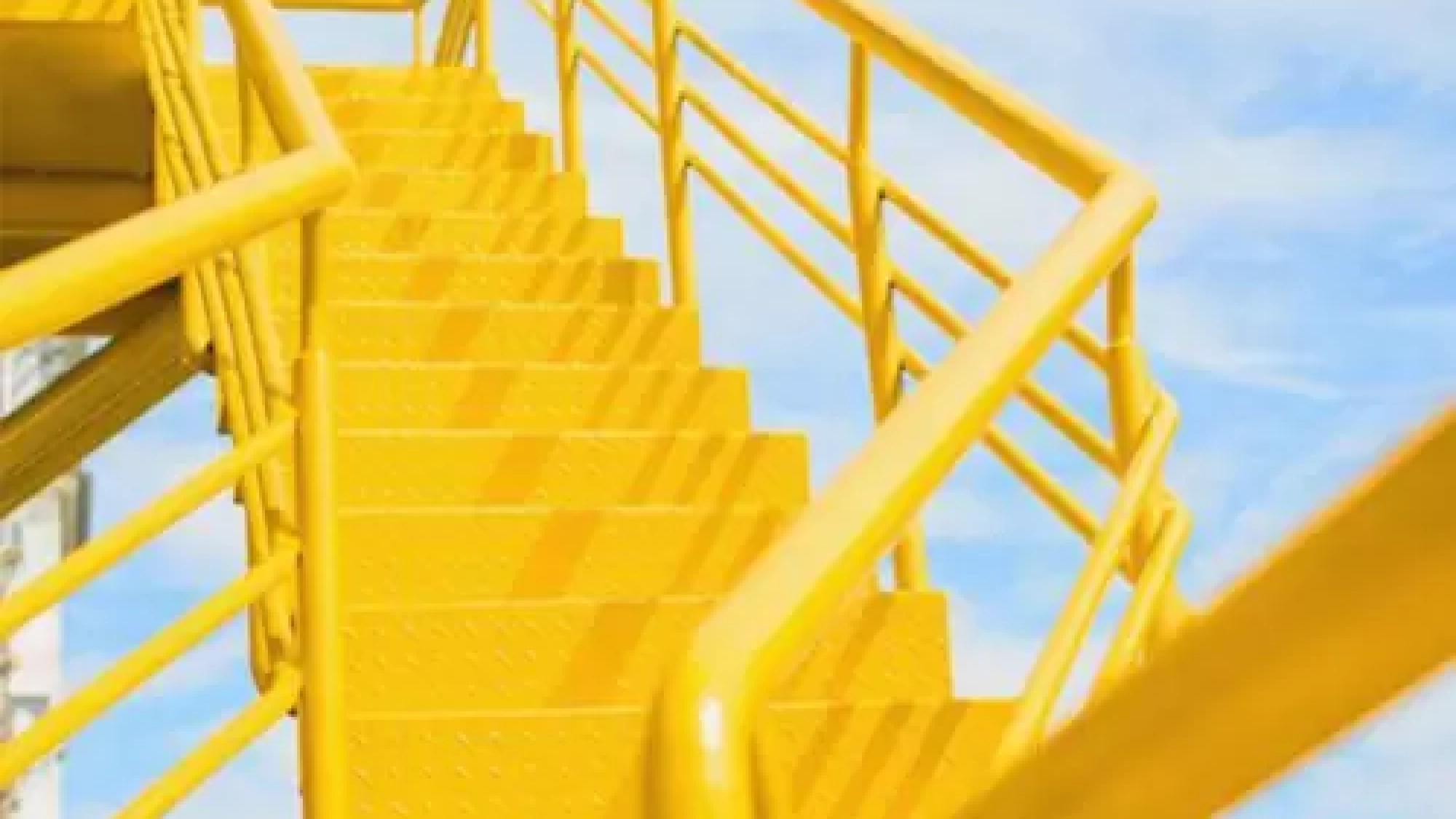
Pipe handrails feature continuous tubular top rails and intermediate safety rails supported by vertical stanchions. The smooth cylindrical profile offers comfortable ergonomic grip for factory personnel walking up stairways. Pipe structures provide excellent strength to weight ratios while maintaining a clean appearance. They represent the standard handrail configuration across power plants, refineries, and water treatment facilities.
Grating Integrated Handrails
Grating integrated handrails connect directly to electroforged steel grating platforms and stair treads. Handrail stanchions bolt or weld into the grating side plates to form unified walkways. This integrated setup eliminates structural gaps between floor gratings and side guardrails. It simplifies platform assembly and ensures seamless structural continuity across large industrial walkways.
Materials and Finishes
Material selection determines how well safety handrails resist mechanical wear and environmental corrosion. Selecting appropriate finishes extends railing lifespan in aggressive industrial environments.
| Finish Type | Corrosion Resistance | Recommended Application | Maintenance Level |
|---|---|---|---|
| Mild Steel Painted | Moderate indoor resistance | Indoor warehouses and dry assembly areas | Periodic paint touch ups required |
| Hot Dip Galvanized Steel | Exceptional outdoor atmospheric protection | Outdoor platforms refineries and coastal units | Low long term maintenance |
| Powder Coated Galvanized | Dual barrier heavy chemical protection | Corrosive chemical processing plants | Minimal maintenance |
Mild Steel Painted
Mild steel provides superior mechanical strength and structural impact resistance at an economical cost. Painted mild steel handrails work well inside dry manufacturing buildings and climate controlled warehouses. High visibility yellow industrial paint alerts workers to perimeter hazards and elevated edges. Regular paint touch ups help maintain appearance and basic rust protection over time.
Hot Dip Galvanized Steel
Hot dip galvanizing coats fabricated steel handrails with a thick protective zinc layer. This metallurgical process delivers exceptional long term corrosion resistance in humid outdoor environments. Galvanized mild steel handrails withstand harsh rain, chemical fumes, and extreme outdoor weather exposure. They require minimal maintenance and offer decades of reliable structural safety in heavy processing plants.
Safety Standards and Compliance
Industrial safety handrail installations must strictly adhere to Indian national codes and international standards. Factory inspectors evaluate railing height, load capacity, and midrail placement during plant safety audits.
Compliance with Indian Standard IS 15652 and Indian Factory Act guidelines ensures complete operational safety. Railing top edges must stand at a height between 1000 millimeters and 1100 millimeters above floor level. Systems must support minimum concentrated loads of 100 kilograms applied at the top rail.
Occupational Safety and Health Administration guidelines specify mandatory midrails positioned halfway between top rail and platform floor. Kick plates must extend at least 100 millimeters high from the walking surface. Adhering to these engineering specifications ensures full safety compliance and protects worker health.
Where Guard Rails and Handrails Are Used
Industrial guard rails and handrail systems serve critical protection roles across various heavy engineering sectors.
- Power Generation Plants around steam turbine halls boiler platforms and elevated pipe racks
- Oil and Gas Refineries along offsite storage tank catwalks processing towers and loading bays
- Chemical Manufacturing Facilities enclosing elevated reaction vessel decks and open fluid processing pits
- Infrastructure and Logistics Hubs safeguarding warehouse mezzanine floors loading docks and access ramps
- Water and Wastewater Treatment Plants framing outdoor filtration basins aeration tanks and inspection walkways
How to Choose a Reliable Guardrail or Handrail Manufacturer
Selecting an experienced handrail manufacturer directly impacts factory safety and project completion timelines. Plant procurement managers should evaluate specific capability criteria before selecting a structural steel supplier.
First check if the guardrail manufacturer complies with recognized quality standards like ISO 9001 certification. Verified quality management systems guarantee uniform raw material grade IS 2062 steel and precise welds.
Second, assess custom manufacturing capabilities. A competent guardrail manufacturer produces customized stanchion angles, pitch angles, and mounting base plates matching specific drawings.
Third, evaluate hot dip galvanizing infrastructure. Certified galvanizing processes ensure complete coating thickness as per IS 2629 standards.
Finally confirm delivery reliability and industrial track record. At Greatweld Engineering, we maintain extensive manufacturing capacity in Pune to meet strict project deadlines across India.
Conclusion
Industrial guard rails and handrail systems form the backbone of physical safety inside modern manufacturing facilities. Investing in high quality materials and certified structural designs eliminates preventable workplace fall hazards. Proper selection between fixed and modular systems ensures seamless installation and long term durability. Partnering with an established handrail manufacturer like Greatweld Engineering guarantees reliable compliance with factory safety standards. Contact our technical engineering team in Pune today to discuss custom safety handrail requirements for your industrial plant.
Frequently Asked Questions (FAQs)
Industrial guard rails provide physical perimeter barriers along elevated surfaces. They prevent factory workers from accidentally falling off walkways, platforms, and mezzanine floors.
The standard height for industrial handrails ranges between 1000 millimeters and 1100 millimeters above the walking floor surface.
Guard rails act as structural safety barriers along open edges. Handrails provide continuous physical hand support for personnel walking up stairways or along ramps.
Toe boards prevent tools, maintenance equipment, and small objects from slipping off elevated walkways and striking workers below.
Hot dip galvanized steel offers superior outdoor protection against moisture, rain, and aggressive industrial atmospheric corrosion.